Effective Tips on How to Manage Business Finance
Learn seven practical strategies for managing your business finances effectively. From budgeting and cash flow management to tracking expenses and separating personal and business finances, discover how better financial management can support long-term business growth.
Tyms

Are you a business owner looking for practical ways to manage your business finances? This guide has been created with you in mind.
Finance and business go hand in hand. The extent to which you understand and manage your business finances plays a significant role in your business's growth and long-term success.
Business owners are often faced with the question of how to manage their finances effectively. Here are seven practical tips to help you.
1. Budget with Precision
One of the foundations of sound financial management is creating a comprehensive budget. Your budget serves as a financial roadmap by outlining your projected income and expenses. Reviewing it regularly helps you identify areas where you may be overspending and make necessary adjustments.
However, many businesses struggle to keep track of their budgets. Using accounting software that allows you to monitor your budget in real time makes it easier to stay within your planned spending and identify budget variances early.
TYMS is one such solution.
2. Track Every Transaction
Keeping a close eye on your finances is essential. From petty cash to major investments, every transaction should be properly recorded. Using accounting software enables you to accurately track money coming into and leaving your business.
Every transaction matters. Proper record-keeping improves transparency, strengthens accountability, and reduces the risk of fraud.
Using software with automation features also helps ensure that no financial transaction is overlooked.
3. Manage Cash Flow Wisely
Healthy cash flow is the lifeblood of every business. Optimising cash flow helps maintain financial stability and ensures you have enough funds to meet your operating expenses.
Negotiate favourable payment terms with suppliers, encourage early payments from customers where possible, and be cautious when extending credit. These practices help reduce unnecessary borrowing and improve liquidity.
4. Embrace Smart Spending
Managing business finances also means spending wisely. Focus on purchasing what your business truly needs while avoiding unnecessary expenses.
Look for cost-effective alternatives without compromising quality. Negotiate better deals with suppliers, take advantage of bulk discounts where appropriate, and regularly review your operating expenses.
Being financially disciplined helps your business remain sustainable.
5. Digitise Your Financial Management
Technology has made financial management more efficient than ever. Using accounting software, online banking, and digital payment solutions helps streamline your financial processes while reducing manual errors.
Digital tools also make it easier to organise financial records, monitor business performance, and access important information whenever you need it.
6. Separate Business and Personal Finances
Maintaining separate finances for your business and personal life improves financial clarity and accountability.
Open dedicated business bank accounts for receiving payments and managing business expenses. Avoid using personal accounts or credit cards for business transactions, and avoid transferring business funds for personal use without proper records.
Separating your finances also provides greater financial protection and simplifies bookkeeping and tax reporting.
7. Monitor Your Financial Records Regularly
Regularly reviewing your financial records helps you understand your business's financial position and make informed decisions.
Avoid relying on assumptions. Accounting software makes it easy to monitor your financial performance at a glance through reports and dashboards that provide real-time insights into your business.
Conclusion
Each of these practices plays an important role in managing business finances effectively. Regardless of your business's size or stage, implementing these tips can help improve financial stability and support long-term growth.
Remember, finance is the foundation of every successful business. Managing it well is essential for sustainable success.
You can also read:
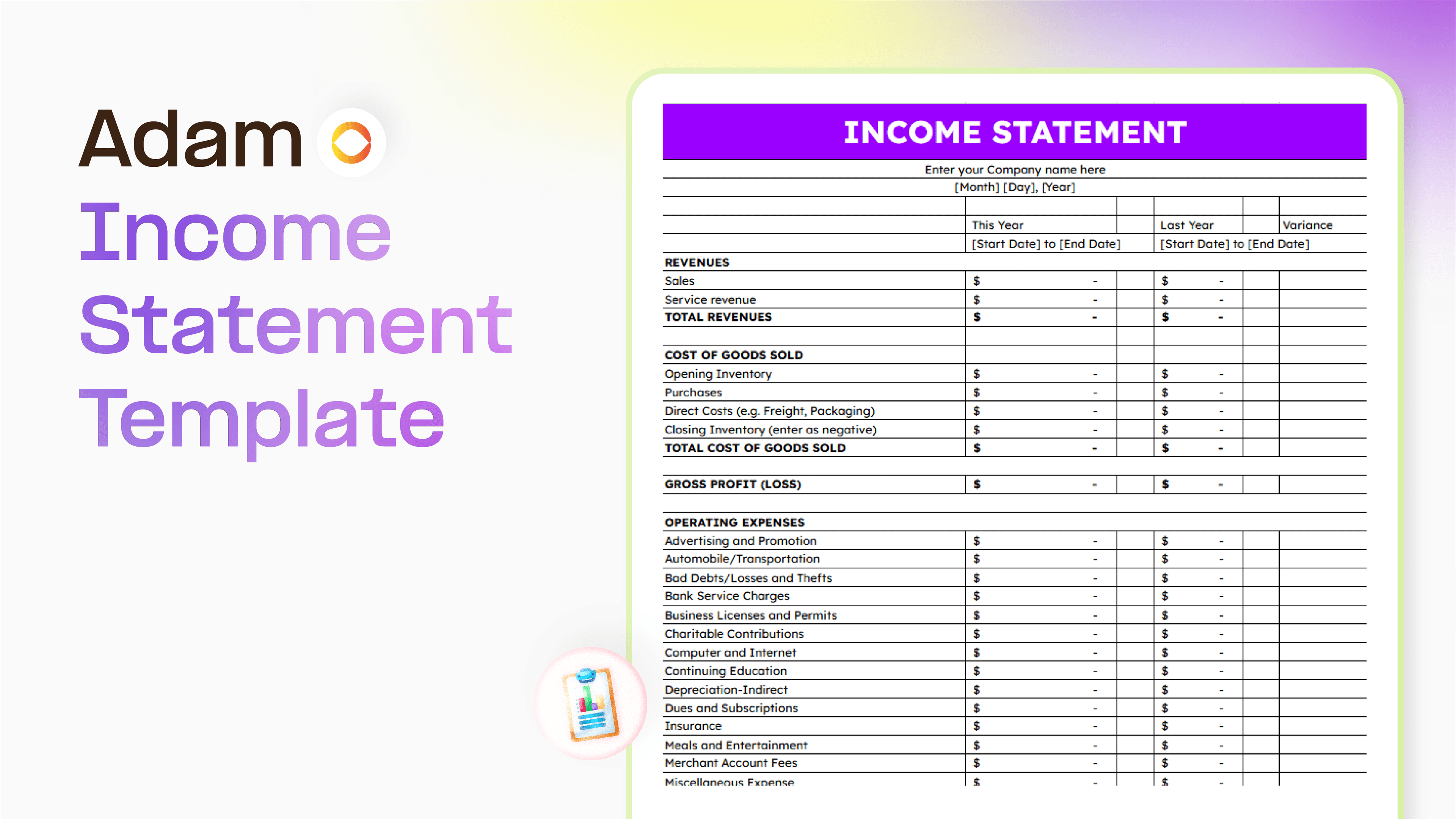
Master your finance with a free Excel Income Statement Template
Using an Excel income statement template isn't just about filling in numbers; it's about getting a clearer picture of how your business is actually doing.
Temitope A.
Jan 30, 2026

Accounting Automation Software Features That Actually Matter (For Small Businesses)
This guide breaks down accounting automation software features that truly matter, explains how popular tools approach automation, and helps small business owners understand what to look for before choosing the wrong solution.
Temitope A.
Jan 22, 2026